Laundry appliances keep daily routines moving, especially in busy homes. When a washer starts leaking or a dryer stops heating, the problem can quickly create stress, delays, plus extra household work.
Laundry appliance repair helps homeowners fix washer and dryer issues before they turn into larger damage. Early service can protect floors, reduce safety risks, improve performance, plus extend the life of both machines.
Why Laundry Appliance Problems Need Attention?
Many laundry appliance problems begin with small changes in performance. A washer may shake more than usual, leave clothes wet, drain slowly, or stop before the cycle ends.
Common dryer problems can also build slowly over time. Long drying cycles, weak heat, burning smells, loud sounds, or overheating can point to airflow trouble, worn parts, or electrical issues.
Washer Issues That Should Not Be Ignored
Reliable washer repair can help when the machine stops cleaning properly, shakes heavily, leaks, or fails during a cycle. These symptoms may involve the drain pump, belt, motor, lid switch, water valve, or control board.
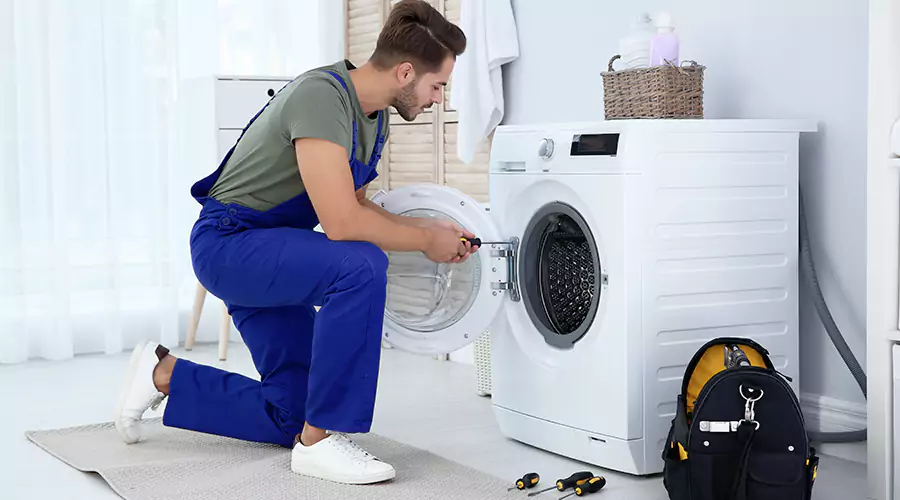
Professional washing machine repair is important when basic checks do not solve the issue. A trained technician can test the unit safely, find the real cause, plus recommend the right repair option.
When Your Washer Will Not Drain?
A washer not draining problem can leave clothes soaked at the end of the cycle. The cause may include a clogged drain hose, blocked pump filter, faulty drain pump, or control issue.
Standing water inside the drum can also create odors if the problem continues. Homeowners should avoid forcing another cycle until the drainage issue is checked.
When Your Washer Will Not Spin?
A washer not spinning issue can happen when the lid switch fails, the belt wears out, the load becomes unbalanced, or the motor struggles. Clothes may come out too wet, heavy, or still covered with detergent.
Spin problems can put extra strain on the washer if ignored. A service visit can help prevent damage to the drum, bearings, motor, or suspension system.
Washer Leaks Need Fast Action
A washing machine leaking problem can damage flooring, walls, baseboards, plus nearby cabinets. Leaks may come from loose hoses, worn door seals, cracked pumps, clogged drains, or overfilled loads.
Water damage can spread quickly in a laundry room. Turn off the water supply when safe, clean visible water, then schedule service before using the washer again.
Strange Washer Noises
A washer making noise can point to loose objects, worn bearings, damaged shocks, weak suspension rods, or drum problems. Banging, grinding, squealing, or scraping sounds should not be treated as normal.
Unusual noise usually gets worse with continued use. A technician can inspect the moving parts before the washer suffers more expensive internal damage.
Dryer Heating Problems
Prompt dryer repair can help when clothes stay damp after a full cycle. Poor drying often comes from clogged vents, bad heating elements, failed thermostats, worn sensors, or restricted airflow.
A dryer not heating issue can also increase energy use because homeowners run extra cycles. Professional testing can find whether the problem comes from heat, airflow, power, or internal components.
Dryer Taking Too Long
A dryer taking too long can signal lint buildup, blocked ventilation, overloaded loads, weak heating, or moisture sensor trouble. Longer drying times waste energy plus add unnecessary wear to the machine.
Slow drying should not be ignored because airflow problems can create safety concerns. Cleaning the lint trap helps, but a full vent inspection may be needed if performance does not improve.
Dryer Overheating Concerns
A dryer overheating issue can create a serious safety risk. Hot clothes, burning smells, repeated shutoffs, or extreme heat around the dryer may point to clogged vents, faulty thermostats, or heating system problems.
Overheating can damage clothing plus internal parts. Stop using the dryer until a technician checks the vent path, heating element, thermostat, motor, plus safety controls.
Dryer Noises That Signal Trouble
A dryer making noise can come from worn rollers, a loose belt, damaged bearings, or foreign objects inside the drum. Squeaks, thumps, scraping, or rattling sounds often get louder over time.
Noise can also mean the dryer drum is not moving smoothly. Fast attention can protect the motor, belt, pulley, plus drum support parts.
Laundry Appliance Repair & Troubleshooting Guide
| Appliance | Common Issue | Potential Cause | Immediate Action |
|---|---|---|---|
| Washer | Not Draining | Clogged hose, pump filter, or faulty drain pump | Stop using; don't force cycles; clear standing water |
| Washer | Not Spinning | Lid switch, worn belt, or unbalanced load | Check load balance; avoid overloading |
| Washer | Leaking | Loose hoses, worn seals, or cracked pump | Shut off water supply; clean up water immediately |
| Washer | Strange Noises | Worn bearings, shocks, or suspension rods | Stop use; inspect for loose items inside drum |
| Dryer | Not Heating | Heating element, thermostat, or blocked vent | Check lint trap; check external vent for airflow |
| Dryer | Taking Too Long | Lint buildup, overloaded drum, or weak heating | Clean lint trap; inspect ventilation path |
| Dryer | Overheating | Clogged vents, failed thermostat, safety trigger | Stop use immediately; do not restart until inspected |
| Dryer | Strange Noises | Worn rollers, loose belt, or damaged bearings | Stop use; avoid running to prevent motor damage |
Common Washing Machine Problems
Many washing machine problems involve drainage, spinning, filling, leaking, shaking, odors, or cycle failure. These issues can make laundry take longer plus leave clothes poorly cleaned.
Simple checks can help before service. Make sure the load is balanced, the hoses are not kinked, the water valves are open, plus the machine is sitting level.
Troubleshooting Before Calling Service
Safe appliance troubleshooting can help homeowners rule out simple causes. Check power, settings, load size, lint screens, hoses, drain paths, breaker status, plus visible blockages.
Avoid opening panels, touching wiring, or handling internal gas or electrical parts. If the issue keeps coming back, a trained technician should inspect the appliance.
Signs You Need Service
Clear signs you need appliance repair include leaks, burning smells, loud noises, weak heat, poor drainage, failure to spin, repeated shutoffs, plus damp clothes after a full dryer cycle.
Small warning signs can become expensive when ignored. Scheduling service early can help protect the machine from deeper damage.
When an Appliance Is Broken?
Professional broken appliance repair is often the right choice when a washer or dryer stops working during normal use. The problem may involve a failed switch, motor, pump, belt, sensor, valve, heating element, or control board.
A broken laundry appliance can disrupt the entire household. Fast diagnosis helps you decide whether repair makes sense before the problem becomes worse.
Why Professional Repair Matters?
Trusted appliance repair services give homeowners a safe way to fix laundry machines without guessing. A service visit may include inspection, part testing, repair recommendations, plus final performance checks.
Skilled professional appliance repair is important when water, heat, electricity, moving parts, or ventilation issues are involved. Proper service can reduce repeat breakdowns plus help restore safe performance.
Role of the Technician
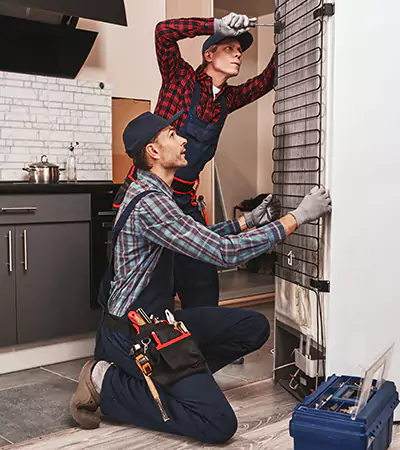
An experienced appliance repair technician can inspect the washer or dryer, test components, explain the issue, plus complete the needed repair. This helps homeowners understand what failed plus why it happened.
A trained technician can also identify hidden causes. For example, a dryer heating issue may actually come from poor airflow instead of a failed heating element.
In-Home Laundry Repair
Convenient in-home appliance repair lets the technician inspect the washer or dryer where it is installed. This helps them check hookups, vents, drain lines, flooring, leveling, power supply, plus surrounding conditions.
Reliable home appliance repair also saves homeowners from moving heavy machines. Large washers plus dryers should be handled carefully to avoid damage or injury.
Residential Laundry Appliance Support
Quality residential appliance repair focuses on the appliances homeowners use every week. Washer plus dryer problems can affect clothing care, utility use, home safety, plus daily schedules.
Residential service should include clear communication, practical repair options, plus respectful work inside the home. A good technician explains the repair before starting major work.
Maintenance That Helps Prevent Breakdowns
- Clean the dryer lint trap after every load
- Inspect washer hoses regularly
- Wipe door seals
- Avoid overloading machines
- Keep vents clear
Simple care can also improve performance. A clean washer drains better, while a clean dryer usually heats more efficiently.
Final Thoughts
Laundry appliances usually show warning signs before they fail completely. Leaks, loud noises, slow drying, poor spinning, overheating, drainage trouble, plus repeated cycle failure should never be ignored.
Professional repair can help restore safe performance, protect your home, plus reduce long term costs. When basic checks do not solve the issue, schedule a qualified technician before the damage spreads.